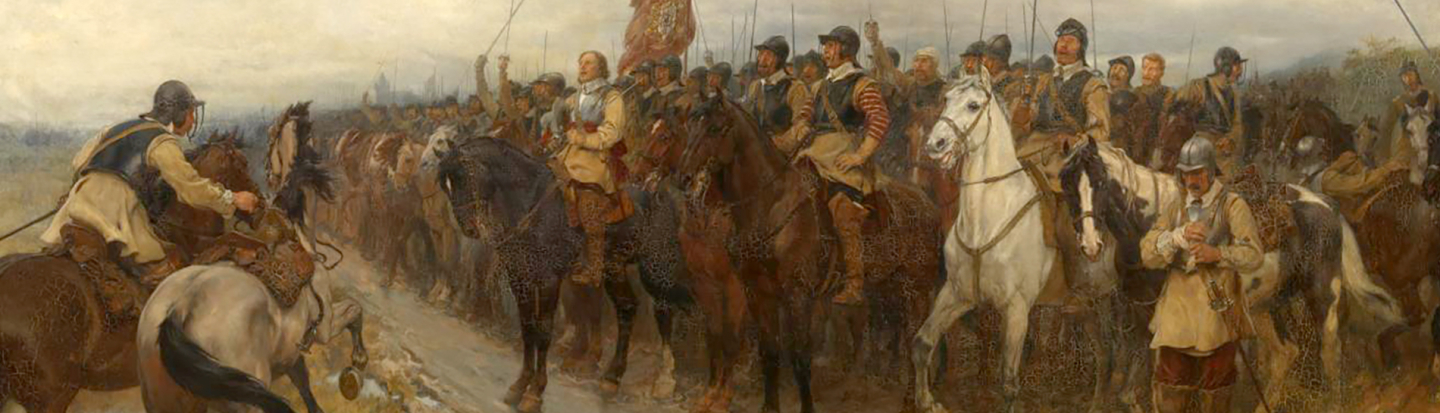
Unlocking the Stories of the Scottish Soldiers from the Battle of Dunbar, 1650
In November 2013, archaeologists observing building work near Durham Cathedral (UK) made an unexpected and unusual discovery when disordered tumbles of articulated skeletons were uncovered in two mass graves. Over the next three years, a complex jigsaw of evidence was pieced together by a team of researchers in order to establish the identity of the human remains. Today we know them to be some of the Scottish prisoners who died in terrible circumstances in Durham Cathedral and Castle following the Battle of Dunbar on the south-east coast of Scotland on 3rd September 1650. Using the latest techniques of archaeological science, it has been possible to reconstruct how and why these men vanished off the historical radar.
This lecture follows the controversies as researchers sought to solve a 350 year-old mystery. Professor of Archaeology Chris Gerrard will also link the story to recent research in New England which has uncovered the fate of the survivors who were transported across the Atlantic after they were released from the cathedral. Their descendants are a vital part of ongoing investigations into the prisoner's lives in a new land far from home.
Presented in partnership with National Trust for Scotland Foundation USA.

Chris Gerrard is a Professor of Archaeology at Durham University (UK) and the team leader for the Scottish Soldiers Project. The book arising from project—Lost Lives, New Voices: Unlocking the Stories of the Scottish Soldiers at the Battle of Dunbar 1650—won the Best Archaeology Book of the Year award in 2018 and the related exhibition won a Living North award in 2019. The project also featured on Who Do You Think You Are? with American actor Jon Cryer. Over 6,500 learners from 100 countries have signed up to the project’s free MOOC.
Chris has conducted fieldwork across Britain, notably at Shapwick (Somerset) in an intensive landscape project he directed with the late Mick Aston (of Time Team fame), and at Clarendon (Wiltshire) where he worked on the medieval and later royal palace and park. He is currently excavating at the bishop’s palace at Auckland Castle in Bishop Auckland (Co. Durham) as well as conducting fieldwork abroad. His latest book is about "natural" disasters in the Middle Ages such as severe weather, storm surges, earthquakes, and tsunamis.